

RECENT SEARCHES
Recently Viewed
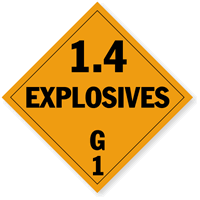
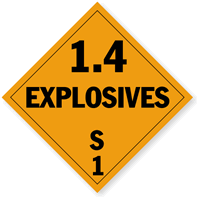
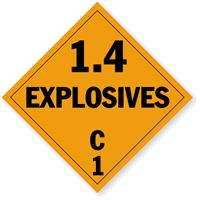
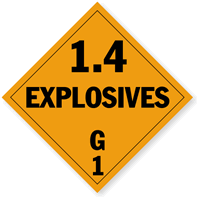
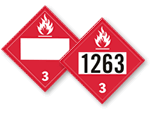
Class 1.4 explosives pose a minor explosion hazard, largely confined to the package. Even though the risk is lower than Class 1.1, DOT placards are essential for alerting handlers and emergency crews. This ensures everyone follows the correct safety procedures during transport, storage, and any potential roadside incidents.
DOT regulations require you to place placards on all four sides of the transport vehicle. This provides 360-degree visibility, ensuring that regardless of which direction an emergency responder approaches from, they can instantly identify the explosive nature of the cargo. It's a foundational step for road safety.
Generally, yes. If you are hauling a specific weight of Class 1.4 materials, you must display the appropriate placards. Following these legal requirements prevents heavy fines during inspections and, more importantly, keeps your drivers and the public safe by providing clear, standardized hazard communication at all times.
For vehicles constantly on the road, heavy-duty aluminum is the best choice. It’s rust-proof and resists the abrasive effects of wind and road debris. For temporary loads, adhesive vinyl placard is a great alternative. Both materials ensure your safety message stays bright and compliant throughout the entire journey.
Absolutely! We highly recommend reflective placards for night driving or poor weather. The reflective surface catches headlights, making the explosive hazard visible even in total darkness. This increased visibility is a critical safety measure that helps prevent accidents and ensures your cargo is identified from a distance.
Placards are specifically meant for explosives that present no significant blast hazard like common fireworks, toy caps, empty primed grenades, and some small arms ammunition.
Call our sales team at (800) 952-1457 and get your quote in minutes!
Mon - Fri 8:00am to 7:00pm EST